Need garage door spring repair in Baltimore?
Not sure what is wrong with your door? Request a callback or send a request, and we will point you to a local provider in our network.
No obligationGarage Door Repair in Baltimore, MD and the Baltimore area
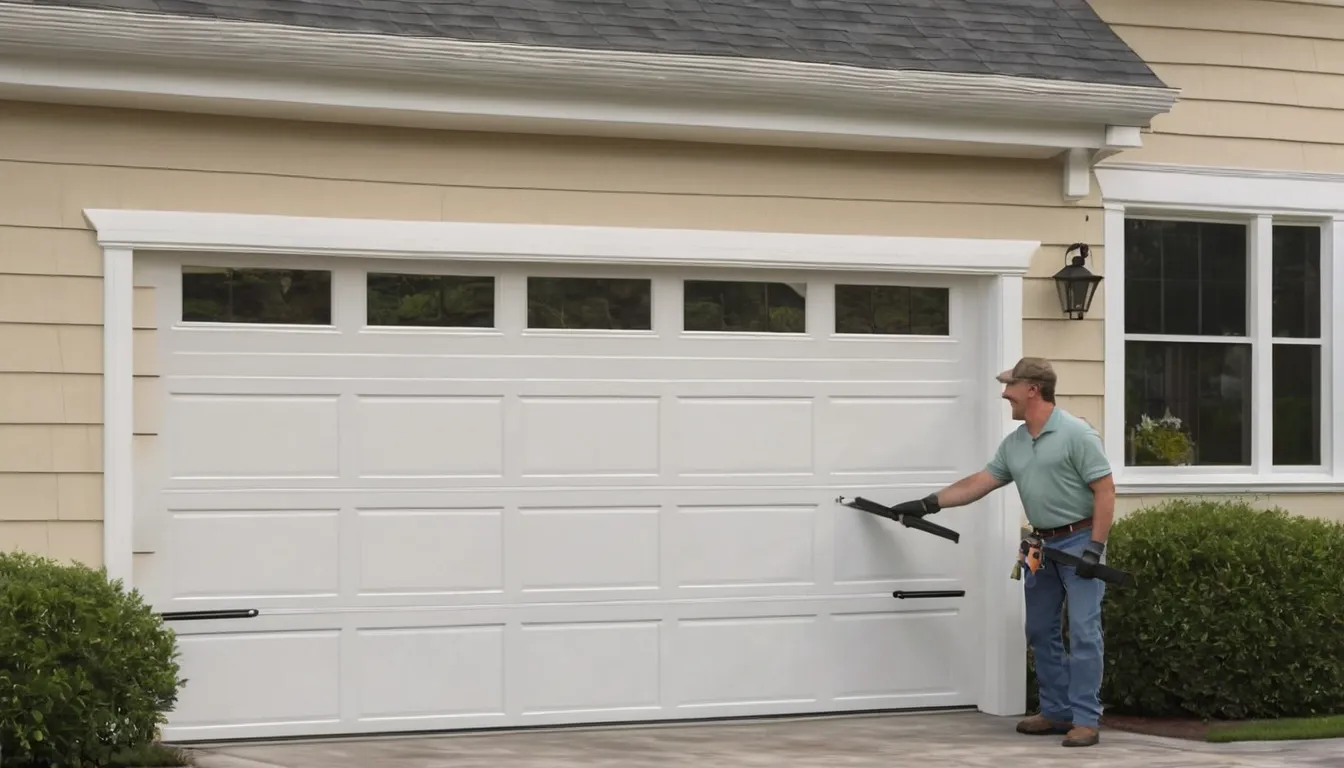
Did your garage door suddenly get heavy, crooked, or stuck? A broken spring is one of the most common reasons. The spring does the lifting, so when it fails, the door stops moving the way it should. The good news is that providers handle this repair all the time, and you do not need to know the parts to get started.
Worthprofits Garage Doors is a referral service for homeowners in the Baltimore area. We connect you with independent local providers who do the work. Ask first, then act: we help you learn the basics, ask smart questions, and compare options. After the repair, we share simple habits that help your new springs last. Fix it, then protect it.
A sharp bang from the garage often means a spring just snapped. Stay calm. Step away from the door.
Do not try to lift it. Do not press the opener over and over. A spring stores a lot of tension, and a stuck door can drop or twist without warning. If a car is inside, leave it there until a provider says the door is safe to move.
Keep kids and pets out of the garage, too. Then take a breath and read on.
Not sure what you heard? Look for these clues:
If you spot two or more, a spring is a likely cause. A provider can confirm it.
This is a question first-timers ask a lot. Both types do the same job, but they look different.
These sit in a tube above the door opening. They twist to store energy. Many newer colonial and split-level homes use them because they lift smoothly.
These run along the sides of the door, beside the tracks. They stretch and shrink as the door moves. Older garages often have them, and they usually come with safety cables.
Tell the provider what you see. A quick photo can help.
It looks simple in a video. It is not. Springs are wound under heavy tension, and the wrong tool or a slip can cause serious injury. Parts also have to match your door's weight, or the door will lift unevenly.
This is a job for a trained provider with the right winding bars and the know-how. Your safest move is to wait, stay clear, and ask for help.
Curious what the provider will actually do? A typical visit looks like this:
Most visits are fairly short, though time varies by door and parts on hand. Ask what the provider expects.
A "cycle" is one open and one close. Standard springs are built for a set number of cycles, often around 10,000. That may last years if you use the door a couple of times a day.
High-cycle springs are built to handle many more. They can make sense if your garage is your main entrance or if the whole family comes and goes often. They cost more up front, so ask how much longer they should last for your use.
Sometimes yes. If your car is trapped, the door is stuck open overnight, or a storm is rolling in, emergency garage service may be worth asking about. Many providers can respond quickly, but availability varies. Request a callback to check provider availability, and ask about any extra fee before you agree.
A spring often breaks because the door has been working too hard. A good provider looks at the whole system.
Ask about track alignment. Bent or loose tracks make the door drag and strain the spring. Also ask about the opener. If yours is old and noisy, a new garage door opener may be worth a conversation, but only if the provider finds a real reason.
Here is the coach part. A few small habits go a long way, especially with humid summers and freeze-thaw winters that make metal parts work harder.
Fix it, then protect it.
Ask first, then act. Here are good questions to keep handy:
A clear provider will answer plainly. If something sounds vague, ask again.
You do not have to figure this out alone. Request a callback to talk through your options, or send a request and compare what providers in our network say.
A provider confirms which spring broke and picks a replacement that fits your door's weight.
Trained providers handle the high-tension work so you can stay clear of the danger.
The new spring is set so the door lifts evenly and stays put.
Providers often look over tracks, cables, and rollers that can wear alongside springs.
Prices depend on the spring type, door weight, and parts needed. These are typical U.S. ranges, not quotes. Costs vary by job and region, so ask for a written quote before work begins.
| Item | Typical range | Notes |
|---|---|---|
| Single torsion spring replacement | $150 – $350 | Often done in pairs on heavier doors |
| Pair of torsion springs | $200 – $500 | Helps keep the lift balanced |
| Extension springs (pair) | $100 – $250 | Safety cables may be added |
| High-cycle spring upgrade | $250 – $650 | Built for heavier daily use |
| Spring plus cables or rollers | $250 – $600 | Depends on wear found |
| Evening or weekend service fee | $50 – $200 | Extra charge on some visits |
Leave the door alone, keep family and pets away, and avoid pressing the opener button.
Tell us what you heard and saw, and snap a photo of the spring.
We connect you with a local provider in our network who can discuss timing and price.
Check the written quote, approve the work, then follow simple upkeep habits.
We help you learn the basics so you can ask clear questions.
Local, independent providers do the work, and you choose who to hire.
Plain words and simple steps make a first-time repair feel less confusing.
Requesting an estimate is simple, and you decide what to do next.
Not sure what is wrong with your door? Request a callback or send a request, and we will point you to a local provider in our network.
No obligationNot sure what is wrong with your door? Request a callback or send a request, and we will point you to a local provider in our network.
No obligation